India, US sign framework on critical minerals and rare earths
The Framework was signed by External Affairs Minister Dr. S. Jaishankar and U.S. Secretary of State Marco Rubio.
India is once again looking at a possible revival of part of the old Stillwell road built during World War II, spurred by the rare earth riches that Northern Myanmar is sitting on.




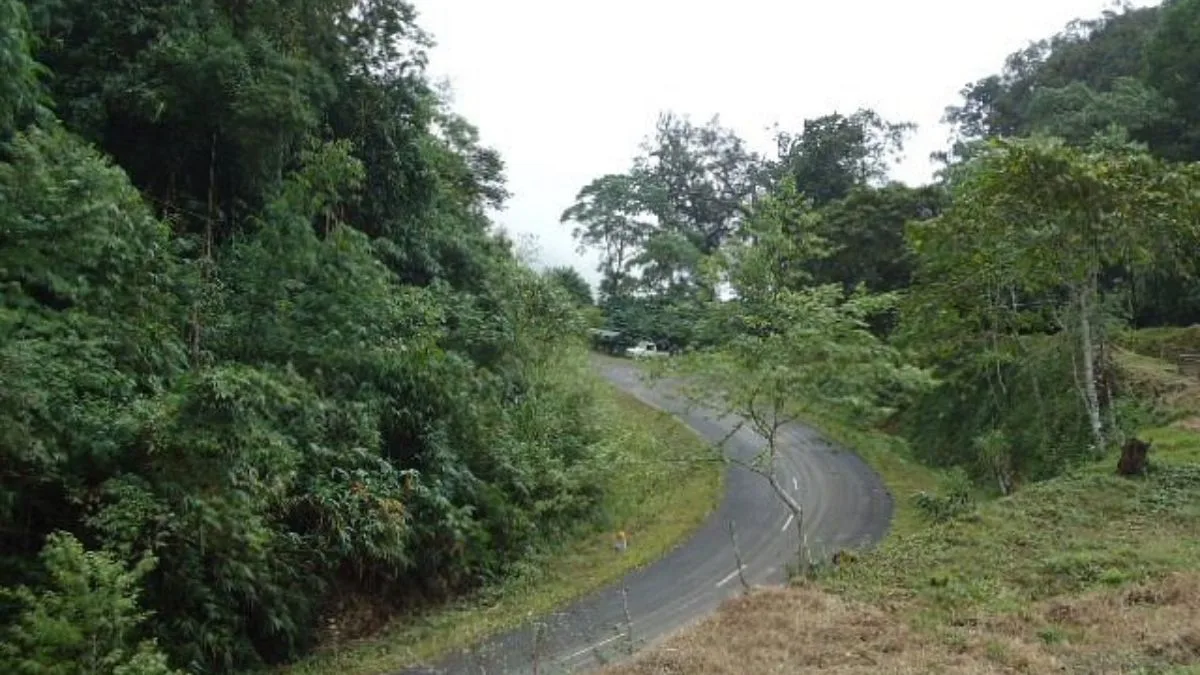
Photo: Tripadvisor
India is once again looking at a possible revival of part of the old Stillwell road built during World War II, spurred by the rare earth riches that Northern Myanmar is sitting on.
Indian officials have held talks with Kachin rebels who control the area as well as Myanmar government and have obtained some samples of the rare earth from the region which include Dysprosium and Terbium, used in manufacture of magnets to run electric vehicles, precision-guided missiles, fighter jet motors, sonar systems, drones and satellite communications.
Advertisement
Right now, China has a stranglehold on the trade in rare earth out of Myanmar controlled for the most part by the Kachin Independence Army (KIA). However, feelers that the sellers may be willing to diversify their sales has spurred fresh thinking.
Advertisement
“The road from Ledo in Assan’s Tinsukia district to Pangsau Pass (named ‘Hell’s Pass’ by engineers who built it in 1942) in Arunachal on the border with Myanmar is in good shape, the road from there across Myanmar’s Sangaing province to Myitkyina in northern Kachin state is usable but would need repairs, widening etc,” said officials.
The historic 1,700 km long Stilwell Road, built during World War II as a strategic military supply route by American General Joseph ‘Viniger’ Stilwell was virtually “swallowed” up by the jungle after the war ended and Myanmar fragmented into regions controlled by competing ethnic armies. What is potentially on the drawing boards is a stretch between Ledo to Myitkyina of about 400 kms.
Myitkyina in the heart of Kachin province controls much of the trade in rare earth which is mined from at least 300 sites in the province. Kachin also has a treasure trove of jade, gold and amber. However, the global attraction for this remote, forested province remains the world’s new found obsession with rare earth supplies, most of which is controlled by Beijing.
“However, the danger lies in the ongoing war between rebel groups and Myanmar junta and how the Chinese use both sides for their purpose. Evacuation of supplies will also be hostage to rebel groups which control the territory through which the road travels … the only positive is India enjoys rare good will with these people even as China enjoys the rare earth from that area,” said officials.
Rare earth elements are a set of 17 metallic elements essential to modern technology, particularly for producing powerful permanent magnets that convert electrical energy into mechanical movement. A subset known as heavy rare earth elements is especially critical for making the magnets that run advanced defence systems, and electric vehicles.
In 2023, Myanmar was the dominant external supplier of heavy rare earth elements to China, providing nearly 98 per cent of China’s imports, amounting to more than 9,000 tonnes of concentrate that year alone.
India has recently become a member of Pax Silica, a global grouping led by the US which aims to reduce dependence of China for critical minerals like lithium, cobalt, and rare earths.
The Americans too are believed interested in the “muddy gold” produced in war-torn Kachin province and are believed to be toying with the idea of either doing a deal with KIA or with getting Myanmar’s ruling junta to do a peace deal with the rebel army to facilitate shipments.
Whether the plan to develop the Stillwell road remains a stalled project like the highway and waterway to Sitwe port in Myanmar’s Rakhine province or is transformed into a a new road to a new el Dorado, is of course something which only time will tell.
Advertisement